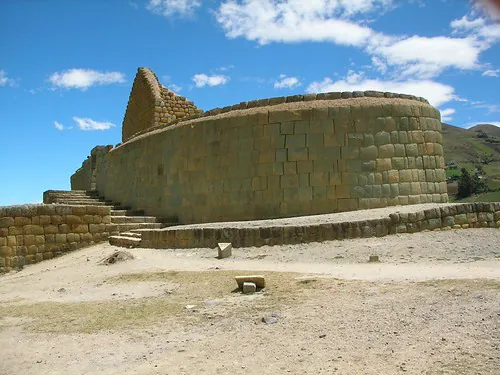
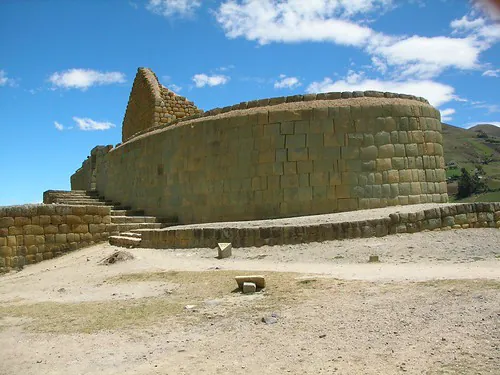
Visiting the Ingapirca Ruins is an immersive journey into Ecuador’s most significant pre-Columbian archaeological site, where a profound atmosphere of reverence and historical preservation takes precedence. The environment here is highly organized and meticulously protected, reflecting the immense cultural weight of the Cañari and Inca civilizations. Visitors will immediately notice that this is not a park for casual, unrestrained wandering; it is a carefully curated open-air museum where strict conservation protocols ensure that the ancient mortarless stone structures remain intact for future generations. The air at 3,160 meters is often crisp and windy, carrying a sense of solemnity that demands respect from every guest who walks its ancient paths.
Because independent roaming through the main complex is strictly prohibited, the operational rhythm is inherently communal. Visitors move through the site in synchronized groups led by knowledgeable, government-authorized guides. This mandatory structure minimizes chaotic crowds and maintains a tranquil, respectful ambiance. By adhering to the clear directives regarding site etiquette, you contribute directly to the ongoing conservation of this UNESCO-recognized treasure while enjoying a safe, enriching historical encounter. Understanding these rules before you arrive is the single best way to guarantee a smooth experience.
Entry & Arrival Protocols
To maintain order and ensure the site’s protection, entry into the archaeological complex is strictly regulated by the Ecuadorian government. All visitors are expected to follow specific arrival procedures before stepping foot onto the ancient grounds.
- Mandatory Guided Access: Independent exploration of the central ruins is not permitted. Visitors are organized into guided groups that depart at regular intervals to control foot traffic.
- Baggage Limitations: Large backpacks, tripods, and bulky photography gear are prohibited inside the ruins to prevent accidental damage to narrow corridors and stone walls. You must use the reception lockers.
- Strict Identification Rules: To claim age-based or disability entry discounts, you must present a physical, original passport or official ID at the gate. Digital copies are consistently rejected.
As of February 17, 2025, the logistical landscape for entering the complex underwent a massive overhaul. Site administrators have phased out guaranteed walk-up ticketing to strictly control daily carrying capacity. While walk-up tickets can still be purchased at the gate if capacity allows, visitors are highly encouraged to complete the official digital form through the Instituto Nacional de Patrimonio Cultural (INPC) portal to secure a valid QR code online. This process must be finalized at least 8 hours in advance. According to detailed national reports from Primicias, travelers arriving at the gates without a pre-booked QR code will be denied entry if the daily quota is already met. For comprehensive booking instructions, review our Tickets & Tours guide.
Operating schedules are rigorously enforced. The ruins are open to the public Wednesday through Sunday, from 09:00 AM to 4:15 PM (16:15). Take note that the entire archaeological complex shuts down completely on January 1st, May 1st, and December 25th annually. If managing these specific entry requirements sounds daunting, booking a comprehensive Cultural Tour of Ingapirca Ruins from Cuenca ensures your digital tickets and transportation are coordinated seamlessly by local professionals.
| Visitor Category | Entry Fee (USD) | Identification Requirement |
|---|---|---|
| Adults (National & Foreign) | $2.00 | Passport or Official Cedula |
| Students (Over 12 years old) | $1.00 | Valid Student ID |
| Children (Under 12), Seniors, Disabled | Free | Physical ID at Gate |
Site Preservation & Restricted Areas
The mortarless stone architecture of Ingapirca requires delicate care. Visitors must act as stewards of this heritage site, adhering to strict ‘Leave No Trace’ principles and international preservation standards advocated by ICOMOS.
- Stay on Marked Paths: Deviating from designated walkways causes soil erosion and threatens the foundation of the ruins. Never cross roped-off boundaries.
- Do Not Touch the Stones: Oils and acids from human skin degrade the ancient masonry over time. Learn more about these vital rules on our Conservation & Environment page.
- Strict Drone Ban: Flying drones is strictly prohibited over the archaeological zone to protect the structures and preserve the site’s solemnity.
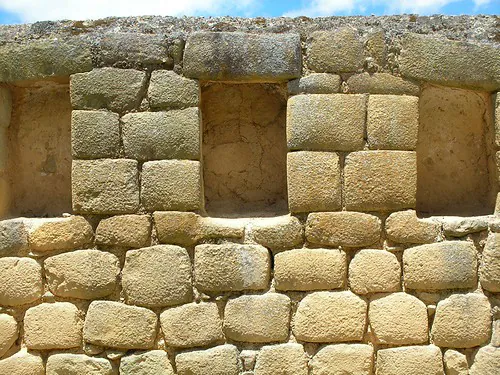
The central directive at Ingapirca is visual preservation. Site administrators enforce a zero-tolerance climbing policy to protect the historic green andesite walls. Signs displaying “no subas a los muros” (do not climb the walls) are positioned throughout the site. Human contact transfers destructive oils, minerals, and physical weight that degrade the precise stonework constructed by the Inca centuries ago. Visitors are strictly prohibited from climbing, sitting on, leaning against, or touching the structural ruins. To understand why these walls are so critical to Andean history, read our analysis of Ancient Origins & Architecture.
Furthermore, maintaining a pristine environment means food and drink restrictions are absolute. No food consumption or littering is allowed inside the archaeological zones (“no ingreses con alimentos ni botes basura”). Any snacks or meals you bring must be consumed in the designated reception areas outside the main gates. For safety and sanitation, pets are entirely banned from entering the ruins, the on-site museum, or any associated trails.
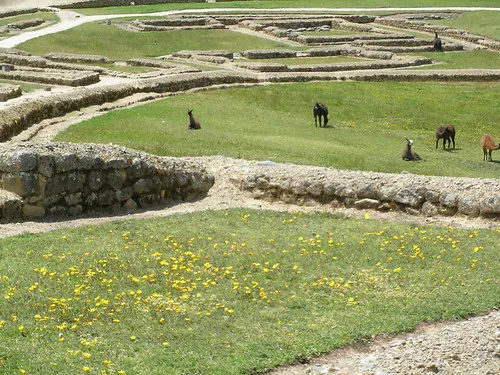
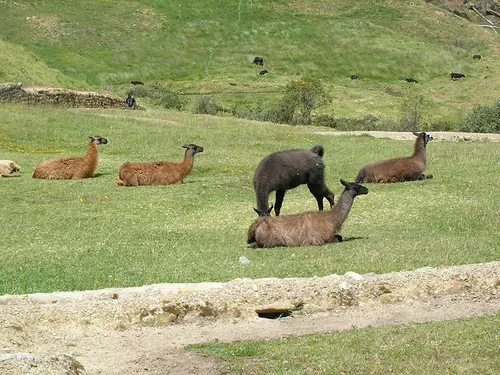
While exploring the terraces, you will encounter resident free-roaming llamas. These animals act as natural caretakers of the grass, but they are not petting zoo attractions. Official site rules explicitly instruct visitors not to touch, feed, or bother the llamas (“no molestes a las llamas”). Respect their space and photograph them from a safe distance. Similarly, the airspace above the complex is protected. Flying drones over the ruins is forbidden without securing a special, prior permit directly from the INPC and Ecuador’s Directorate General of Civil Aviation (DGAC). This ban protects the UNESCO Qhapaq Ñan airspace from mechanical accidents and respects the privacy of the surrounding indigenous communities.
Safety & Weather Preparedness
Ingapirca sits at an elevation of 3,160 meters (10,367 feet), where the Andean climate can be unforgiving. Ensuring your physical safety is just as important as protecting the ruins. Proper preparation is essential for a comfortable visit.
- Appropriate Footwear: Sturdy, closed-toe walking shoes with good traction are mandatory for navigating the uneven, ancient stone paths safely.
- Weather Gear: The air is often crisp and windy. Dress in warm layers and bring sun protection, as UV rays are significantly stronger at high altitudes.
- Altitude Awareness: Move slowly to prevent shortness of breath. Review our essential tips on avoiding altitude sickness prior to your arrival.
Geographic reality dictates much of the safety protocol at Ingapirca. The high altitude exposes visitors to thin air, rapid weather shifts, and intense ultraviolet radiation. Proper physical preparation is not merely a suggestion; it is a requirement. Moving slowly is imperative, as the elevation can rapidly induce fatigue or dizziness. Travelers prioritizing comfort often choose an Ingapirca Small Group Tour to navigate the high-altitude environment at a measured, heavily supported pace alongside trained guides.
While the main ruins require mandatory guided supervision, there is one notable exception for visitors seeking a bit of independent exploration. The surrounding nature trail leading to the “Cara del Inca” (Inca’s Face)—a massive, naturally occurring rock formation resembling a human profile—is completely unguided. This optional trek is well-signposted, features varying natural terrain, and takes an estimated 45 minutes to complete round-trip. Because this trail ventures away from the manicured paths of the main complex, wearing closed-toe walking shoes with excellent grip is absolutely essential.
“The Andean weather changes in minutes. Layered clothing and immediate respect for the altitude are your best defenses when exploring the Cañar highlands. Move slowly, drink water, and let your body adjust.”
General Andean Travel Advisory
Essential Traveler Advice & Logistics
By understanding and respecting these rules, you help preserve the legacy of Ingapirca while ensuring a safe, meaningful experience for yourself and your fellow travelers. The local guides are incredibly passionate about their history; treating the site with respect allows them to share their heritage with pride.
“Ingapirca is a place of profound historical weight. Walk its paths with reverence, follow the guidance of the local caretakers, and let the stones tell their centuries-old stories.”
If you are planning to reach the site independently from Azuay province, your most reliable public option is the Cooperativa de Transportes Terrestres Cañar. These buses operate direct routes departing from the Terminal Terrestre de Cuenca. The journey winds through stunning highland scenery, taking roughly 2 hours and 10 minutes depending on road conditions. Fares are highly economical, reliably ranging between $2.00 and $5.00 each way. Be sure to carry small bills and coins, as breaking large currency on rural buses is notoriously difficult. For exact departure schedules and driving maps, consult our comprehensive How to Get to Ingapirca Ruins guide.
After hours of walking the high-altitude trails, you will undoubtedly need to refuel. Just 300 meters from the site entrance lies the Posada Ingapirca, a beautifully restored 200-year-old hacienda. This historic establishment serves exceptional traditional Latin American cuisine, providing a perfect opportunity to taste the regional flavors detailed in our Guide to Traditional Andean Cuisine. The restaurant is highly accommodating, offering dedicated vegan and gluten-free options for travelers with specific dietary requirements. For those seeking a seamless, all-inclusive day, booking a Private Tour from Cuenca to Ingapirca with Lunch provides door-to-door transportation and a guaranteed hot meal.
Quick Checklist for Your Visit
- Bring an original passport or valid official physical ID (required for entry registration and claiming discounts).
- Carry small bills in cash for local transport, tips, or artisanal purchases, as ATMs are extremely scarce near the ruins.
- Always pack a light, breathable rain jacket, regardless of the season or the morning forecast.
- Leave bulky luggage at your hotel in Cuenca or Alausí; there are no large locker facilities on-site to handle heavy suitcases.