Planning Your Visit to the Ingapirca Archaeological Complex
Thorough preparation dictates the quality of your experience at Ecuador’s most significant pre-Columbian archaeological site. Located in the high Andes of the Cañar province, the Ingapirca complex operates under strict national preservation protocols and presents specific environmental challenges. This guide provides the exact logistical details necessary to coordinate your schedule, secure mandated reservations, and pack appropriately for the unpredictable Andean microclimate.
Deciding When to Schedule Your Visit
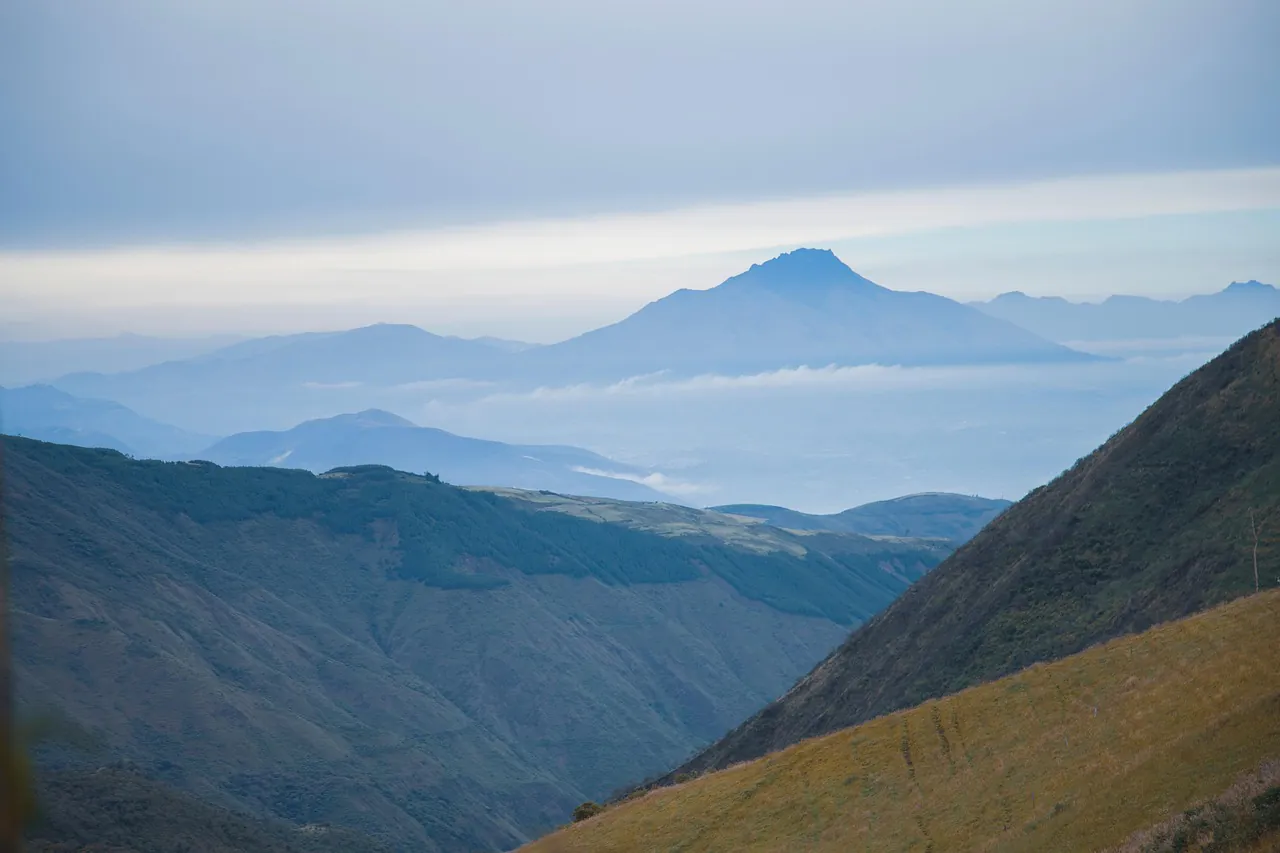
The equatorial Andes do not experience traditional four-season years. Instead, the region fluctuates between wet and dry periods. For the clearest visibility of the stone structures and surrounding valleys, scheduling your arrival between June and September is optimal. These months generally offer lower precipitation, reducing the likelihood of heavy fog obscuring the site. Clear skies are particularly important for photographing the precision of the Inca stonework and the expansive topography of the surrounding mountains.
The exact timing of your arrival requires careful consideration of both weather patterns and regional cultural events. The Temple of the Sun was constructed with precise astronomical alignments. During the June solstice, sunlight projects directly through the structure to illuminate specific interior niches. Planning a trip between June 17 and June 23 aligns your visit with the Inti Raymi (Festival of the Sun) celebrations hosted on the grounds. This specific window offers a unique overlap of archaeological observation and living indigenous culture, though it corresponds with peak crowd density.
Regardless of the month, early morning arrivals consistently yield the most favorable conditions. Cloud cover typically builds by mid-afternoon, frequently resulting in abrupt rain showers. Securing a morning entry not only improves your chances of clear photography but also provides ample time to explore the adjacent trails before the afternoon temperature drop. For travelers planning their itinerary, reviewing our comprehensive guide on preventing altitude sickness is a critical first step before finalizing any travel dates.
Essential 2026 Visit Logistics & Fees
| Logistical Category | Current Specifications |
|---|---|
| Operating Hours & Days | Wednesday through Sunday, 08:30 to 16:15. Strictly closed Mondays and Tuesdays for site maintenance. |
| Standard Entrance Fee | $2.00 USD per person (Includes mandatory 45-minute guided tour). |
| Operating Elevation | 3,160 meters (10,367 feet) above sea level. |
| Advance Booking | Minimum 24 hours prior to arrival via the official INPC portal. |
| On-Site Amenities | Free secure lockers, administrative restrooms, Museo de Sitio. |
| Prohibited Items | Drones, large backpacks, musical instruments, food, and beverages. |
INPC Reservation Regulations
While the official Instituto Nacional de Patrimonio Cultural (INPC) online reservation portal states that visitors should secure their entry reservations a minimum of 24 hours in advance, walk-up ticket purchases have not been eliminated for the main archaeological zone. You can now register and pay online via a digital QR code system; however, physical admission tickets (currently $2 for adults) can still be purchased directly at the gate. Failing to register in the national database prior to arrival will not automatically result in denied entry, but your visit will be subject to site capacity and you may have to wait for a guided group to form. For step-by-step instructions on navigating the government portal, consult our detailed tickets and reservations guide.
Guided Tour Mandate
The standard $2 USD entrance fee covers your mandatory admission into the complex. Independent wandering inside the main ruins is entirely prohibited to ensure the preservation of the mortarless stone walls. Visitors are organized into groups at the ticket office and assigned a state-certified guide. These mandatory 45-minute tours are conducted in Spanish and Kichwa, with very limited English availability. If you require a guaranteed English explanation of the ancient architecture, booking a specialized private tour from Cuenca is highly recommended to secure a bilingual expert.
“Do not underestimate the equatorial sun at high elevation. Even on overcast days when the ambient temperature drops below 10°C, the UV index at 3,160 meters remains intense enough to cause severe sunburn within a single hour of exposure.”
Andean High-Altitude Safety Advisory
Setting Expectations for the Páramo Microclimate
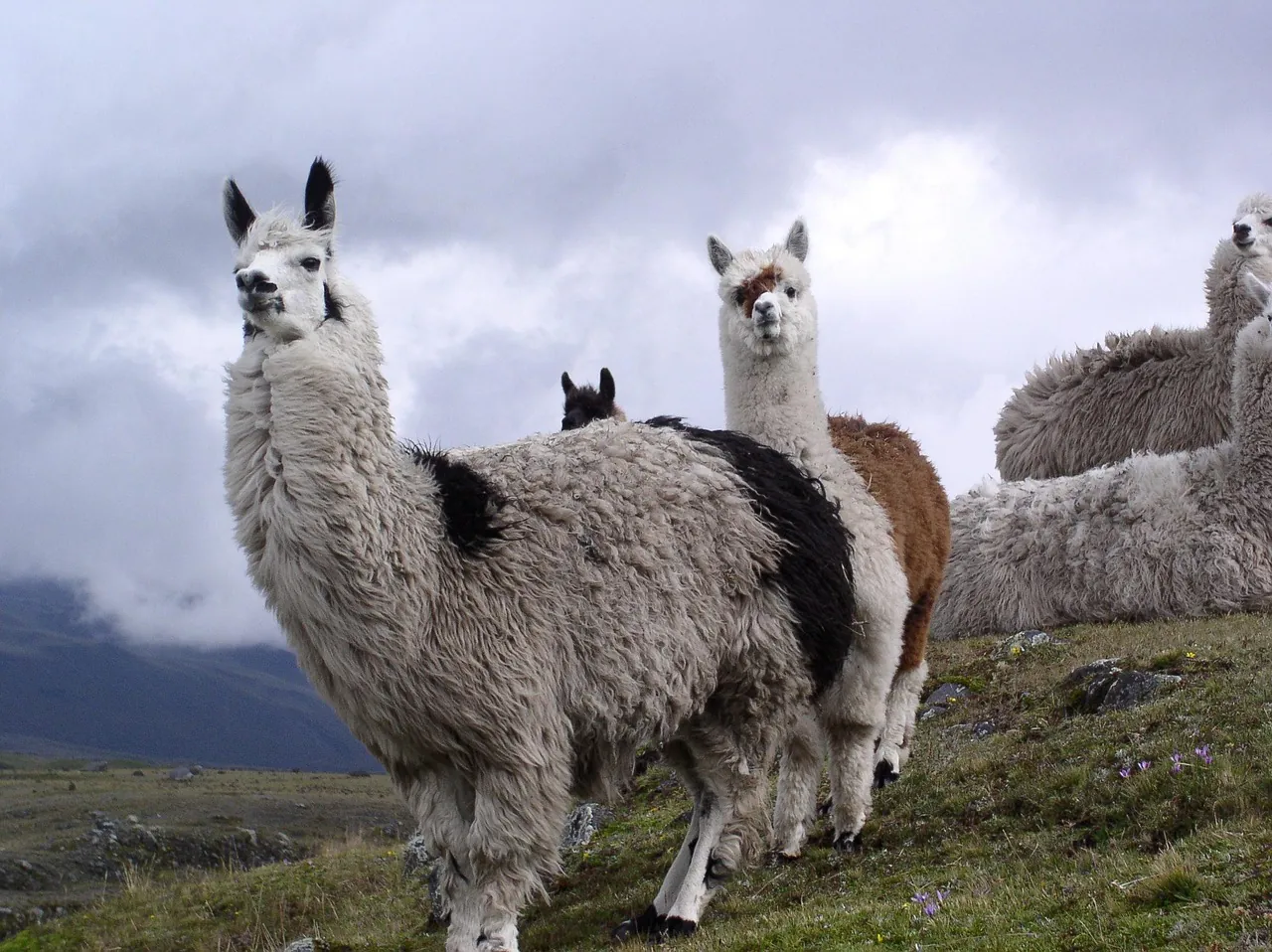
At an elevation of 3,160 meters (10,367 feet), the archaeological complex sits within a distinct páramo ecosystem. This specific high-altitude microclimate dictates sudden and severe weather shifts. Visitors must be prepared for both intense, direct sunlight and sudden, biting chills during a single morning. Daytime temperatures average a crisp 8°C to 15°C (46°F to 59°F). The lack of dense atmospheric protection means the sun feels exceptionally hot on exposed skin, yet the ambient air remains stubbornly cold.
Proper packing is non-negotiable. Due to the high altitude and equatorial sun, visitors must pack SPF 50+ sunscreen, sunglasses with high UV protection, and adequate hydration. Layered clothing is the most effective strategy for managing the daily temperature fluctuations. A moisture-wicking base layer paired with an insulating fleece and a waterproof windbreaker provides the necessary adaptability. Temperatures drop drastically in the late afternoon and plummet at night.
Footwear requires equal attention. Trekking shoes or waterproof hiking boots are highly recommended. While the primary walkways near the Temple of the Sun are maintained, the surrounding unpaved trails, including the highly recommended Cara del Inca route, can become incredibly muddy and boggy after brief rain showers. Standard urban sneakers will quickly become waterlogged.
Ingapirca Location & Layout
Reaching the ruins requires navigating the rural roadways of the Cañar province. The site is located approximately 80 kilometers north of Cuenca. For direct public transport, the Cooperativa de Transportes Terrestres Cañar operates a dedicated bus departing from the Terminal Terrestre Cuenca straight to the archaeological site. This service runs at 9:00 AM and 12:20 PM Wednesday through Sunday. The ride takes approximately 2 hours, costs roughly $2.50 to $4.00, and returns promptly to Cuenca at 1:00 PM and 4:00 PM from the main gate.
Independent travelers missing the direct bus must utilize a multi-leg route. You can take a standard provincial bus from Cuenca to the town of Cañar for $3 to $4. From the Cañar terminal, catch a frequent blue-and-white local bus running the Cañar–El Tambo–Ingapirca route for an additional $0.50 to $0.75 per leg. For a more streamlined experience, especially for those with limited time, joining a full-day cultural tour from Cuenca bypasses the complexities of rural bus transfers entirely while providing comprehensive historical context. Detailed driving directions and private transit options are available on our dedicated transportation guide.
Extending Your Stay in the Cañar Province
For visitors wanting to combine trips and maximize their time in the region, the surrounding area offers substantial cultural value. The town of Cañar is located just 15 kilometers away, translating to a 15- to 30-minute drive. It is famous for its lively Sunday market where indigenous locals sell traditional ikat ponchos and intricately woven double-faced belts. Exploring these local markets provides an excellent practical application of the historical contexts learned at the ruins.
If you prefer to acclimate to the altitude before exploring the complex, staying overnight in the immediate vicinity is highly advantageous. The Posada Ingapirca, located a mere 300 meters from the ruins, operates within a restored 200-year-old hacienda. The property serves traditional Andean cuisine and offers guest rooms equipped with necessary wood-burning fireplaces. This proximity allows visitors to enter the complex immediately upon opening, avoiding the mid-day arrival of commercial tour buses.
Planning Your Visit FAQ
What are the exact restrictions on bags and equipment inside the complex?
The administrative body enforces strict preservation rules to protect the ancient stonework. Large backpacks are prohibited within the complex boundaries, and drones require prior permission. However, bringing water and snacks is encouraged due to limited on-site options. Visitors must store large bags in the free, secure lockers located at the visitor center near the main entrance before joining their guided tour group. You can review the complete list of restricted items on our visitor rules and guidelines page.
What should I expect to see at the Museo de Sitio?
The Museo de Sitio is located right at the complex entrance and serves as a vital introduction to the region’s history. It showcases an intricate scale model of the ruins, allowing visitors to comprehend the site’s layout before walking the grounds. Additionally, the museum houses excavated artifacts from the regional Tacalshapa and Cashaloma cultures, including specialized bone tools, domestic ceramics, and decorative copper ornaments.
How difficult is the Cara del Inca hiking trail?
The Cara del Inca (Face of the Inca) trail is a beginner-friendly 1.5 to 1.8-kilometer loop that begins just behind the main archaeological complex. The hike takes approximately 45 to 60 minutes to complete at a moderate pace. The path winds past notable natural rock formations historically used for ancient sun worship, including a massive stone profile that resembles a human face overlooking the gorge.
Can I explore the main ruins independently without a guide?
No, independent wandering inside the main ruins is strictly forbidden under the current site management policies. Every visitor is required to participate in a mandatory 45-minute guided tour, which is included in the $2 USD entrance fee. This regulation ensures the physical preservation of the delicate structures and prevents unauthorized access to unstable archaeological zones.
Are there facilities for food and restrooms on-site?
Public restrooms are available at the administrative building near the ticket counters and lockers. While full meals are not sold inside, visitors are permitted and encouraged to bring their own water and energy snacks for the walk through the ruins. For dining, visitors can walk 300 meters to the nearby Posada Ingapirca for traditional Andean meals, or purchase basic snacks from authorized vendors situated in the exterior parking area.