A Guide to Traditional Andean Cuisine
The Agricultural Foundation of the Andes
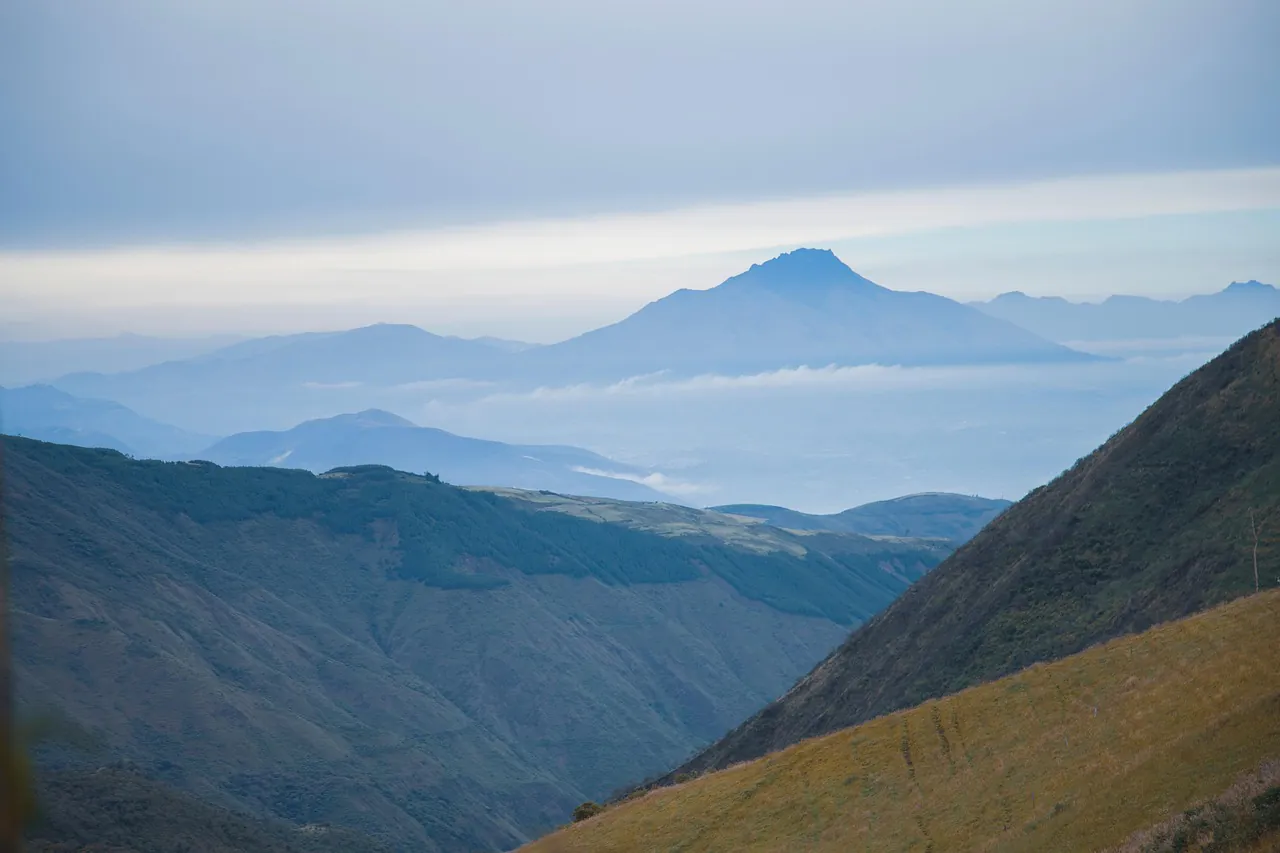
Dining in the Cañar and Azuay regions provides a direct link to the agricultural foundation of Ecuador. At the 3,160-meter altitude of the Ingapirca Ruins, the culinary atmosphere relies on warmth, caloric sustenance, and a deep reliance on the earth’s seasonal cycles. The harsh Andean climate historically demanded hearty, nutrient-dense foods. This environmental pressure resulted in a regional menu built upon indigenous staples like cold-resilient tubers, corn, and beans, later fused with Spanish culinary techniques. Whether seeking refuge from the highland chill or observing a harvest cycle, eating here centers on utility and physical comfort.
Beyond mere sustenance, the food culture surrounding Ecuador’s premier Inca heritage site acts as a functional expression of community and ritual. The dining experiences range from communal feasts laid directly on the earth in neighboring indigenous villages to established, historic restaurants in the colonial city of Cuenca. Food preparation is deeply intertwined with the agricultural calendar, solstice observances, and regional identity. Exploring these specific flavor profiles is an essential part of understanding the complex Cañari and Inca civilizations that constructed the nearby architectural complexes.
Ancestral & Communal Experiences
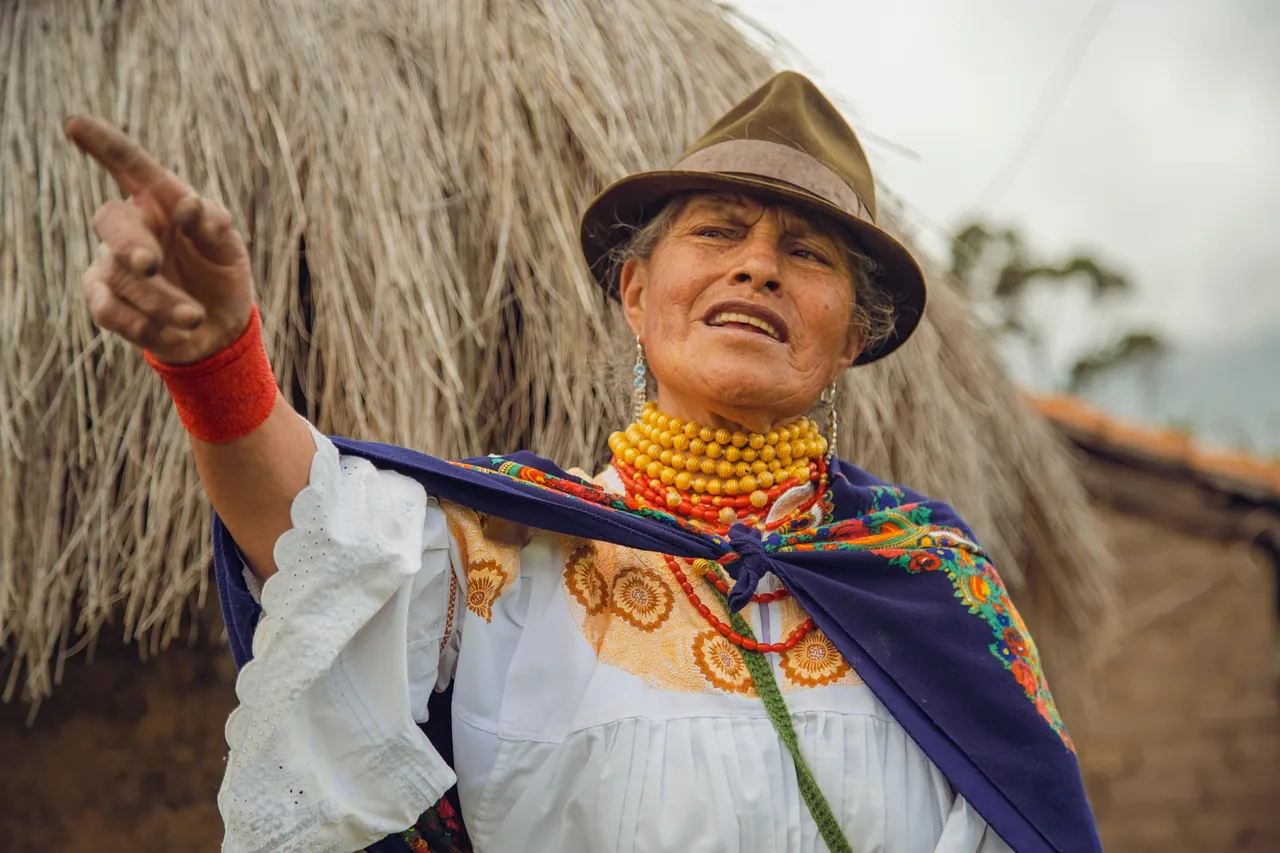
As of 2026, visitors traveling just five minutes from the archaeological site to the neighboring Sisid Community can partake in a traditional pampamesa. This ancestral Andean thanksgiving meal involves laying out local staples communally on cloths spread directly on the bare earth. Piles of freshly harvested corn, boiled beans, and roasted guinea pig are shared openly among participants. Participating in this meal breaks down social barriers, allowing travelers to observe the region’s agricultural roots and the enduring Cañari spirit of communal living. While coastal encebollado is frequently cited as Ecuador’s official national dish, these communal highland feasts represent the true functional soul of Andean cuisine. The abundance of these staples is directly tied to the archaeological complex itself. The ancient inhabitants engineered Collcas (circular grain silos) for long-term food preservation and utilized Lunar Calendar Stones to track the 28-day cycle for precise agricultural planning. Today, this communal dining practice aligns heavily with authentic community tourism initiatives endorsed by the Ministerio de Turismo del Ecuador.
For travelers returning from the ruins to Cuenca, the Guajibamba restaurant, located at Luis Cordero 12-32, operates as a premier dining spot. It is renowned for serving traditional cuy asado. This involves roasting a whole guinea pig over coals until golden and crispy, invariably accompanied by mote, potatoes, and hard-boiled eggs. Another highly-rated culinary destination specializing in authentic cuy asado is Alcatraz Cuyes, which provides an accessible introduction to this pre-Columbian protein source for international tourists. You can easily integrate these dining experiences after completing a Private Tour from Cuenca to Ingapirca Ruins.
Ideal Dining Demographics
- Travelers looking to directly experience Cañari and Inca cultural roots through historical diet.
- Groups and families who prefer sharing food in a traditional, family-style setting rather than individual plating.
- Visitors seeking authentic, vegetarian-friendly Andean staples like beans, corn, and native tubers.
Highland Staples: From Tubers to Cuy
The high-altitude terrain yields incredibly resilient crops, forming the functional backbone of local cuisine. You will frequently encounter Melloco, a cold-resilient Andean tuber highly consumed in the Cañar highlands. Displaying distinct visual varieties—including white, yellow, purple, and two-toned speckled—it is traditionally boiled and served alongside tender fava beans, cooked potatoes, and oca, another indigenous, slightly sweet root.
No Cañari table is complete without ají de piedra. This artisanal hot sauce is a staple condiment crafted by hand-grinding uchu (local chili peppers) with ingredients like tree tomatoes, onions, and herbs on a traditional volcanic grinding stone known as a piedra de moler. This labor-intensive technique achieves a distinctly thick, rustic texture that commercial blenders cannot replicate.
Mote pillo, a beloved regional dish consisting of hominy corn scrambled with eggs and fresh herbs, is deeply ingrained in the Azuay and Cañar cultural identity. Locals proudly use the colloquial phrase “soy más cuencano que el mote” (I am more Cuencan than mote). For a broader sampling of these regional flavors, seek out the Bandeja Cuencana. This massive sampler platter features mote pillo, mote sucio (hominy mixed with pork mapahuira or roasted fat), blood sausages, grilled meat, and fava beans.
Visitors wanting a comprehensive look into Cañari and Inca ancestral diets should visit the Museo de la Gastronomía Cuencana. Recognized by the Ministerio de Turismo, it provides a deep dive into the 4,000-year history of local Andean nutrition, showcasing ancient cooking artifacts and highlighting endemic ingredients still utilized today.
Additional Regional Specialties:
- Locro de Papas: A hearty, thick potato soup utilizing starchy Andean potato varieties that dissolve to create a creamy, rich broth. It is always garnished with a thick slice of fresh cheese and local Ecuadorian avocado.
- Humitas: Freshly ground, tender young corn (choclo) combined with local cheese, tightly wrapped and steamed inside the corn’s own leaves (hoja de choclo). In historical and rural setups, they are still cooked in artisanal clay steamers called vaporeras de barro.
- Hornado: Slow-roasted pork served with intensely crispy skin (cascarita) and potato patties (llapingachos).
Warming Drinks: Beating the Highland Chill
To ward off the penetrating cold near the Temple of the Sun, locals rely on specific, historically rooted beverages. Canelazo is the primary warming drink found across the highlands. This steaming hot toddy is prepared by boiling water with cinnamon, raw unrefined cane sugar (panela), tart naranjilla juice, and a heavy splash of regional sugarcane aguardiente. It is ubiquitous during local festivals and evening gatherings.
Equally important from an archaeological and historical perspective is Chicha de Jora. This fermented beverage is made from sprouted yellow corn (jora) and was historically consumed from carved calabash gourds. Its production peaks dramatically around Ingapirca during the June Inti Raymi solstice celebrations, acting as a ritual offering to the sun and the harvest cycle. Learning about these liquid traditions is often a highlight on a comprehensive Cultural Tour to Ingapirca Ruins & Gualaceo.
Pro-Tips for Andean Beverages:
- Acclimatization: If you are still adjusting to the elevation, skip the alcoholic aguardiente in your Canelazo. Alcohol can exacerbate altitude symptoms. Read more on preventing altitude sickness before consuming local spirits.
- Digestive Aid: Look out for Agua de Pitimás, a traditional herbal water from Cuenca known for its restorative properties.
- Non-Alcoholic Options: For a sweet, warming treat without the fermentation, try Morocho, a thick, spiced corn pudding drink perfect for cold mornings.
Traveler Advice: Dining in the Cañar Province
Eating in the Andes is a safe and deeply rewarding experience if you follow a few basic physiological and hygiene guidelines. As detailed extensively in our Ecuador safety guide, it is always recommended to drink bottled or purified water rather than tap water. When visiting local markets in towns like El Tambo or Cañar, select cooked street food that is prepared fresh daily. High heat is your best defense against foodborne illness, making sizzling plates of roasted pork and boiled potatoes excellent, safe choices.
Food preparation is deeply intertwined with the agricultural calendar, solstice observances, and regional identity. It is rarely rushed.
Typical Meal Times & Expectations
| Meal | Typical Time | What to Expect |
|---|---|---|
| Desayuno (Breakfast) | 7:00 AM – 9:00 AM | Scrambled eggs, mote (hominy), fresh bread, fruit juice, and strong coffee or herbal tea. |
| Almuerzo (Lunch) | 12:00 PM – 2:00 PM | The largest meal of the day. Usually a highly affordable set menu featuring a thick soup, a main meat dish with rice, and fresh juice. |
| Merienda (Dinner) | 6:30 PM – 8:30 PM | Lighter fare, often consisting of a hearty bowl of soup, empanadas, or simply bread and tea. |
Remember that digestion slows down considerably at higher altitudes due to decreased oxygen levels. It is wise to make your almuerzo (lunch) the heaviest meal of the day and keep your merienda (dinner) light to ensure a comfortable night’s rest. Proper pacing with your food intake is a crucial step when planning your visit to the archaeological complex the following morning.