The Best Cultural Festivals in Ecuador
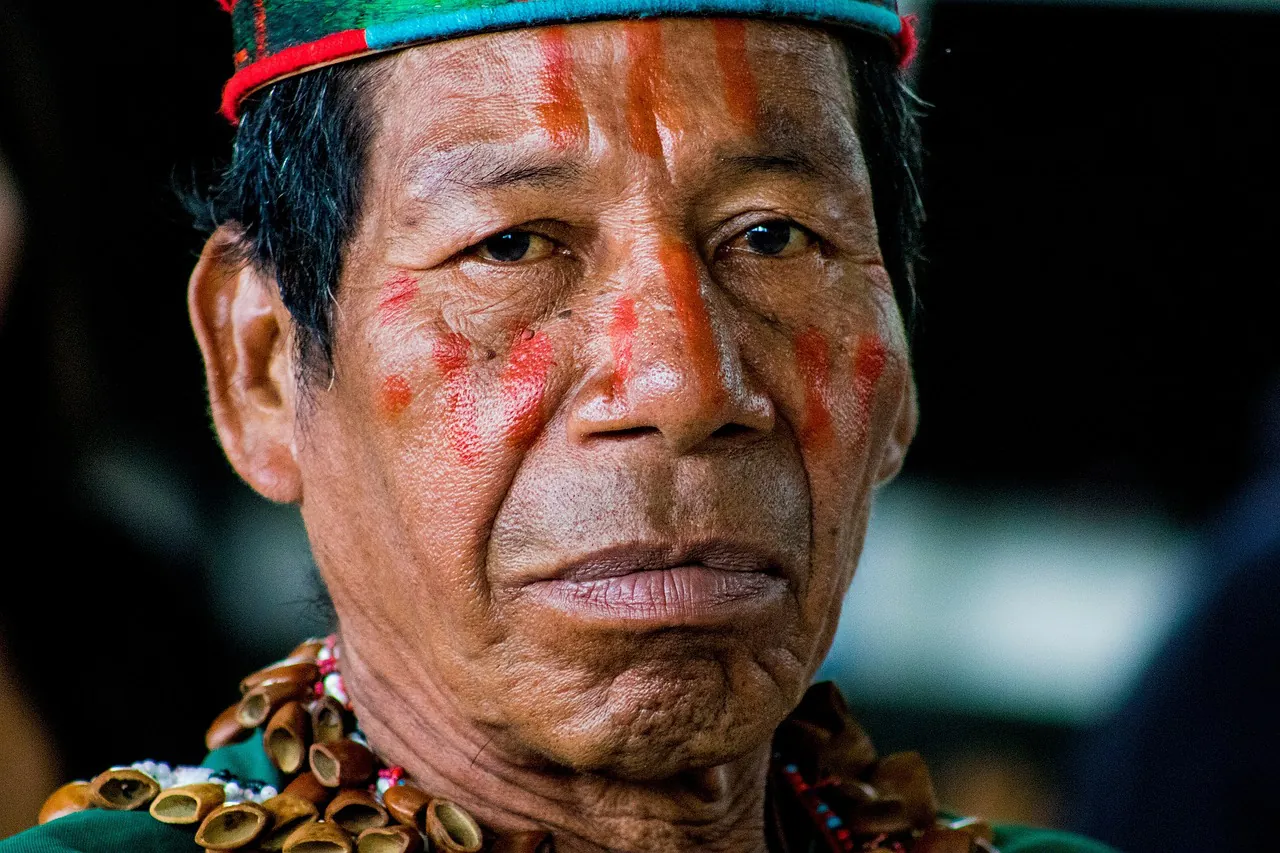
The Cultural Synthesis of the Andes
Modern Ecuadorian festivals present a complex synthesis of pre-Columbian agricultural rituals and Spanish colonial religious holidays. Following the Spanish conquest, indigenous communities mapped their ancestral celebrations directly onto the Catholic liturgical calendar. This strategic adaptation allowed the Cañari and Inca descendants to preserve their agricultural rites under the guise of recognized Catholic feast days. Today, the resulting ceremonies offer a highly specific look into the Andean cosmovision, directly tied to the solar and lunar cycles tracked at sites like the Ingapirca Ruins.
According to the Ecuadorian Ministry of Tourism, these regional festivals are structured around the “Chakana” or Andean cross. This geometric symbol represents the four cardinal points, the two solstices, and the two equinoxes. It divides the year into a continuous, unbroken cycle of sowing, growing, harvesting, and resting the land. Understanding this cycle is essential for visitors planning your visit, as the indigenous calendar revolves around four primary celebrations known as the Raymis.
The agricultural calendar does not recognize a hard start or end to the year. Instead, the land transitions through four distinct phases of energy, marked by the solstices and equinoxes.
The Four Raymis of the Agricultural Calendar
Pawkar Raymi (February/March)
Coinciding with the modern Carnival season, this festival celebrates the flowering of early crops. It focuses heavily on water, renewal, and the first fruits of the agricultural season.
Inti Raymi (June)
The most widely recognized of the four, coinciding with the June solstice. It marks the major harvest and serves as a massive expression of gratitude to the sun (Inti) and the earth (Pachamama).
Kulla Raymi (September)
Held during the September equinox (September 21-24), this celebration is dedicated to the moon deity, Quilla, and the feminine energy of the soil. It marks the precise preparation of the earth before planting corn.
Kapak Raymi (December)
Aligned with the December solstice, this festival honors the germination of the seeds planted in September. It also serves as a transition ceremony for young leaders assuming roles within their communities.
Archaeological evidence of these precise timings can be observed near the main complex at Ingapirca. Researchers and guides highlight a large rock carved with exactly 28 holes, functioning as an ancient lunar calendar. During the solstice and equinox nights, these cavities were historically filled with water to reflect moonlight, allowing ancient astronomers to track festival timings with absolute precision. You can explore the mechanics of this calendar further in our guide to Ancient Origins & Architecture.
Pawkar Raymi and Carnival Season
Pawkar Raymi occurs in late February or early March. It is the first major festival of the calendar year and honors the blossoming of early crops. The visual landscape of the Cañar province transforms during this period, marked by a sudden influx of bright colors and early harvests. The core spiritual ceremony of Pawkar Raymi is “Tumarina.” This ritual acts as a spiritual baptism. Water is drawn from local springs, mixed with native flower petals, and applied to the heads of participants. The intention is to impart vitality and clear negative energy for the upcoming months.
During these festivities, local communities prepare “Jucho,” a thick, ceremonial beverage. The drink is crafted from wild capulí cherries, peaches suspended in syrup, and cornstarch to thicken the texture. The deep red color of the capulí cherries symbolizes agricultural fertility and communal joy. This specific preparation is a staple of traditional Andean cuisine and is rarely found outside of the February and March festival window.
Convergence with Ecuadorian Carnival
The indigenous celebration of water and renewal parallels the energetic, water-throwing festivities of modern Ecuadorian Carnival. Visitors traveling during this window should expect a high-energy environment where traditional floral baptisms happen alongside modern water balloon exchanges in town squares.
| Year | Pawkar Raymi Core Dates | National Carnival Public Holidays |
|---|---|---|
| 2025 | Late February to Early March | March 3 – March 4, 2025 |
| 2026 | Late February to Early March | February 16 – February 17, 2026 |
Inti Raymi: The Great Festival of the Sun
Inti Raymi is the apex of the Andean cultural calendar. Celebrating the winter solstice in the Southern Hemisphere, this festival is a profound display of gratitude for the June harvest. At Ingapirca, the core festivities occur annually over a three-day weekend closest to the June 21 solstice, typically falling between June 17 and June 23.
The three-day peak festival at the archaeological site features uninterrupted indigenous music, massive artisanal fairs, and traditional dances situated right outside the main ruins. If you want to dive deep into the specific structural alignments that make this location mathematically perfect for the solstice, review our breakdown of The Temple of the Sun & Landmarks.
Symbolism, Rituals, and Gastronomy
The spiritual protagonist of Inti Raymi is the Aya Huma (often referred to as Diablo Huma in a post-colonial context). The dancer portraying this entity wears a heavy, double-faced mask representing the duality of the Andean cosmovision—looking simultaneously at the day and night, the past and the future. Crucially, the mask features exactly 12 cloth extensions on top. These represent the 12 months of the year and the wisdom of the serpent. The Aya Huma and other dancers adorn themselves in the bright, multi-colored patchwork of the Wiphala. This Andean rainbow flag represents the diverse struggles, resilience, and unity of the modern Inca-Cañari descendant communities.
No Inti Raymi celebration is complete without the Pampamesa. This communal feast is laid out on a long cloth directly on the earth, reinforcing a physical connection to Pachamama (Mother Earth). The meal consists of local staples like mote (mature corn), fava beans, warm potatoes, fresh cheese, and cuy asado (roasted guinea pig). Participants eat exclusively by hand. The primary ceremonial drink shared during these toasts is Chicha de Jora, a traditional fermented beverage or local “moonshine” made specifically from sprouted yellow corn.
The Armay Chisi is an essential, yet private, purification ritual. At midnight, indigenous participants engage in a freezing ritual bath in local rivers and waterfalls to cleanse negative energies before the new solar cycle begins, a process carefully overseen by a local Shaman.
Festival Logistics and Transportation
Attending these festivals requires calculated logistical planning. Due to high visitor volume during cultural holidays, visitors are currently required to complete a reservation online via the Instituto Nacional de Patrimonio Cultural (INPC) portal at least 24 to 72 hours in advance to secure entry to the archaeological complex.
For independent travelers relying on public transit from Cuenca, the Terminal Terrestre Cuenca is your starting point. Transportes Cañar runs direct buses from the terminal to Ingapirca. Departures are typically scheduled at 9:00 AM Wednesday through Sunday (as the ruins are closed on Mondays and Tuesdays), with an additional 12:20 PM departure operating Wednesday through Friday. The journey costs roughly $4.00 and takes approximately 2.5 hours winding through the Andean highlands. For a comprehensive breakdown of road conditions and alternative routes, consult our dedicated guide on How to Get to Ingapirca Ruins.
If managing bus schedules during peak festival days sounds stressful, many visitors opt for organized transport. You can bypass the transit logistics entirely by booking a small-group Ingapirca day tour from Cuenca. Alternatively, travelers looking to maximize their time in the Azuay and Cañar provinces often choose a full-day excursion combining Ingapirca with the Gualaceo artisan villages, guaranteeing guided context for both the ruins and the regional crafts.
Regional Festival Map
Familiarize yourself with the primary routes connecting Cuenca, Azogues, and the Ingapirca complex before the festival traffic peaks.