Packing List for the Ecuadorian Highlands
The “Four Seasons in One Day” Highland Climate
Preparing for an expedition to the Ingapirca archaeological complex requires acknowledging the volatile environmental realities of the Cañar province. Situated at an elevation of 3,160 meters (10,367 feet), the site sits on an exposed Andean plateau where atmospheric conditions change with notorious speed. Visitors must abandon the concept of a single, predictable weather forecast. Instead, packing for this region demands tactical preparation for rapid fluctuations in temperature, intense ultraviolet radiation, and sudden precipitation. Understanding these baseline environmental factors is the first step in assembling a highly functional gear list for your archaeological exploration.
Navigating Extreme Temperature Swings
The defining characteristic of the Ecuadorian Andes is the aggressive fluctuation in daily temperatures. Daytime highs typically peak between 14°C and 19°C (57°F–66°F) under the direct equatorial sun. In these conditions, the physical exertion of climbing the terraced ruins generates significant body heat. However, the environment transforms the moment the sun dips behind the surrounding Andean peaks or when heavy cloud cover rolls across the valley. Temperatures routinely plummet to 7°C–10°C (45°F–50°F) in a matter of minutes. Packing requires planning for these immediate, localized shifts rather than relying on regional daily averages.
Beyond standard temperature changes, the intensity of the sun at this altitude poses a severe risk. The UV Index at the ruins routinely exceeds 11, categorizing it as “Extreme” year-round. During the March and September equinoxes—when the sun aligns perfectly with the ancient Temple of the Sun—the UV Index can spike to 15 or 16+. Because UV intensity increases by roughly 10% to 12% for every 1,000 meters of elevation gained, unprotected skin can suffer severe burns in under 15 minutes. Visitors must pack mineral sunscreen containing zinc oxide with an SPF of 50 or higher. Chemical sunscreens degrade rapidly under the harsh equatorial sun and require constant reapplication, whereas mineral blocks provide immediate, long-lasting physical protection.
Equally critical is protective eyewear. The intense high-elevation glare reflecting off the ancient grey stonework and surrounding high-altitude plains can cause photokeratitis, commonly known as snow blindness. Polarized sunglasses with verified UV400 protection are mandatory. Furthermore, wind gusts across the exposed complex average 10.2 mph but frequently surge to 20 mph (32 km/h) during July and August. A wide-brimmed hat is essential for sun protection, but it must feature a secure chin strap to prevent it from blowing away into restricted excavation zones managed by the Instituto Nacional de Patrimonio Cultural (INPC).
The Threat of Sudden Highland Rain
Precipitation in the Cañar province is notoriously difficult to forecast accurately. Historical weather data compiled by climate aggregators indicates a high likelihood of rain year-round. January experiences a 98% chance of daily rain, meaning visitors during the early months of the year are guaranteed to encounter wet conditions. Even during August, widely considered the “driest” month in the highlands, the region maintains a 66% chance of precipitation. A packable, highly breathable waterproof shell featuring materials like Gore-Tex is an absolute necessity, regardless of the season.
The constant dampness creates specific challenges for mobility. The ancient stone pathways and modern access trails are frequently slick with morning drizzle and prone to moss accumulation. Standard walking shoes or athletic sneakers lack the necessary grip for this terrain. Deep-lug hiking boots with solid ankle support are crucial for navigating the site safely. Those booking a comprehensive Private Tour from Cuenca to Ingapirca Ruins with Lunch will spend several hours on their feet exploring uneven ground, making supportive, waterproof footwear the most important wearable item on their packing list.
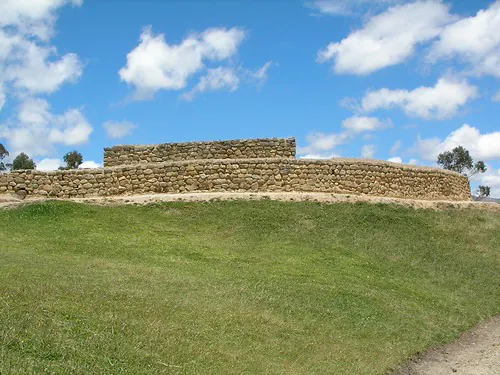
“The ancient stonemasons built these walls to withstand relentless wind and sudden downpours. Modern visitors must pack with that exact same resilience in mind, preparing for four distinct seasons before noon.”
Highland Precipitation Probability
To contextualize the necessity of waterproof gear, review the historical precipitation probabilities for the highland region surrounding the ruins. This data underscores the futility of attempting to time a completely dry visit and reinforces the need for constant readiness.
| Month | Precipitation Probability | Primary Climate Challenge |
|---|---|---|
| January | 98% | Heavy, consistent daily downpours; dense morning fog. |
| April | 97% | Frequent afternoon showers; highly saturated ground. |
| August | 66% | High winds reaching 20 mph; sporadic, intense drizzles. |
| October | 88% | Unpredictable cloud cover; rapid temperature drops. |
The Three-Layer Principle for Andean Exploration
The only effective strategy for managing the extreme thermal fluctuations of the Andes is a disciplined three-layer clothing system. Attempting to rely on a single heavy winter coat will result in overheating during steep climbs, while inadequate insulation will leave you vulnerable to the biting afternoon winds. The following structural approach ensures physical comfort and safety throughout your visit.
Base Layers
The foundation of a highland wardrobe is temperature regulation and moisture management. Visitors should pack 150-200gsm moisture-wicking merino wool base layers. This specific weight effectively pulls sweat away from the body during sunny ascents through the ruins. Crucially, merino wool retains its insulating properties even when damp, trapping critical body heat when the chilling winds inevitably roll across the exposed plateaus.
Mid-Layers
To bridge the gap between the breathable base and the harsh exterior environment, a reliable insulating mid-layer is required. A lightweight, technical fleece or a highly compressible synthetic down jacket works perfectly. This layer is usually stowed in a daypack during the warmer mid-day hours but becomes vital for trapping body heat during the rapid temperature drops experienced in the late afternoon.
Outer Shells
The final barrier against the Andean climate is a packable, waterproof, and windproof shell. Leave heavy, insulated ski jackets at home; they are too bulky to carry when not in use. Instead, opt for an uninsulated Gore-Tex jacket featuring pit-zips for mechanical ventilation. This allows you to block the 20 mph wind gusts while venting excess body heat generated during your walk.
Essential Hardware, Electronics, and Logistics Gear
Beyond technical clothing, visitors must optimize their daypacks for the logistical realities of high-altitude travel and rural Ecuadorian infrastructure. The environment directly impacts electronics, hydration needs, and local commerce. A weather-resistant 20L to 30L daypack is the optimal size for this excursion. It offers sufficient capacity to hold shed clothing layers, camera gear, and souvenirs, while remaining compact enough to avoid throwing off your balance on narrow, uneven archaeological paths.
Managing Electronic Battery Drain
The combination of cold highland temperatures and the 3,160-meter elevation negatively affects the chemical reactions within lithium-ion batteries, causing them to discharge at an accelerated rate. Smartphones, GPS devices, and digital cameras will lose power much faster than they do at sea level. Packing a robust portable power bank with a capacity of at least 10,000mAh is necessary to keep your devices operational through a full day of photography and navigation. Additionally, travelers arriving from Europe or the UK must pack their own universal adapters. Ecuador’s electrical grid operates on 120V/60Hz using Type A and B sockets (standard US style), and rural highland lodgings rarely keep spare adapters on hand.
Hydration and Altitude Management
Proper hydration is a primary defense against physiological stress at high elevations. Instead of relying solely on cold water bottles, pack a 1-liter insulated thermos. Before departing your accommodation or entering the site, fill the thermos with hot mate de coca (coca leaf tea) from a local cafe. This traditional beverage stays warm in the thermos and serves as a highly effective, centuries-old remedy for managing soroche. For further details on physiological preparation, consult our guide on preventing altitude sickness in the Andes.
Rural Currency Realities
While Ecuador utilizes the US Dollar as its official currency, the practical realities of spending money in the rural Cañar province dictate specific packing habits. Travelers must pack small denominations, specifically $1, $5, and $10 bills, along with $1 and $0.50 coins. Attempting to break a $20 bill is notoriously difficult at local artisanal stalls or small family-run eateries near the complex. If you are managing your own logistics and utilizing public transit, exact change is critical. The bus fare on the Cooperativa de Transportes Cañar ranges from $2.50 to $4.00 depending on your boarding location. Ensure you have the exact coins ready before arriving at the Terminal Terrestre Cuenca, as drivers rarely carry extensive change for large notes. For more details on navigating these routes, review our comprehensive transportation guide.
Thermal Sleepwear for Local Lodgings
Travelers extending their visit to explore the ancient origins and architecture over multiple days often stay at historic nearby accommodations. Properties like Posada Ingapirca, a 200-year-old renovated hacienda located just 300 meters from the archaeological site, offer incredible atmosphere but reflect the traditional construction of the region. These historic rooms lack central heating. They rely entirely on wood-burning fireplaces, small portable space heaters, and hot water bottles placed at the foot of the bed during turndown service. Packing high-quality thermal pajamas is essential for a comfortable night’s sleep in these authentic, high-altitude lodgings.
For those looking to maximize their time in the region without worrying about complex transit logistics, structured guided options remove the friction of navigating rural bus schedules. Visitors joining the Full-Day Ingapirca, Gualaceo & Chordeleg from Cuenca can leave their heavier overnight gear at their main hotel in the city, carrying only a streamlined daypack with the essential layers and weather protection detailed above.
Ecuadorian Highlands Region Map
Familiarize yourself with the elevation profiles and distances between major hubs like Cuenca and the archaeological site. Understanding the topography will reinforce the necessity of the packing strategies outlined above.
By strictly adhering to this gear list and prioritizing function over fashion, you ensure that your attention remains on the intricate stonework and complex history of the ruins, rather than the discomfort of the Andean elements. Proper preparation transforms the volatile highland climate from a liability into a dramatic backdrop for your historical exploration. Always verify current entry requirements and secure your tickets and tours well in advance of your journey.