Top 10 Safety Tips for Traveling in Ecuador
Overview
Traveling through Ecuador requires a pragmatic approach to personal security, environmental awareness, and logistical planning. The country presents a complex geographic profile, ranging from dense urban centers at sea level to extreme high-altitude environments in the Andes. Unlocking these regions—specifically the historical corridors of the Cañar province—demands steadfast situational vigilance. By understanding the specific realities of Ecuador, you can navigate the landscape with absolute confidence and focus squarely on the archaeological and natural significance of your surroundings.
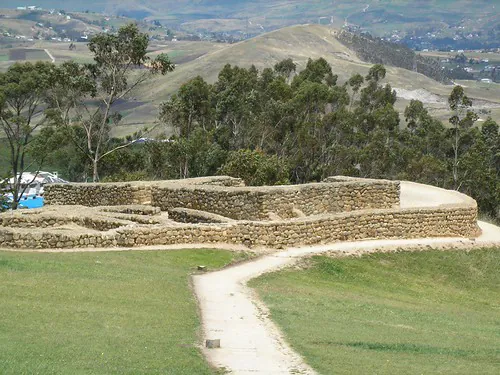
The majestic high-altitude paramo and historic transit routes demand respect. Conditions shift from serene to challenging in a matter of minutes, completely altering the safety dynamics of a given day. Visitors must balance their exploration of Ecuador’s Inca heritage with a strict adherence to hyper-local safety protocols. This guide provides the factual, unvarnished intelligence needed to securely manage everything from opportunistic transit crime to the sheer, unyielding power of equatorial elements at extreme elevations.
Thorough preparation transforms the unpredictability of the Andean highlands from a potential hazard into a manageable, highly rewarding logistical exercise.
Before arriving at major historical sites, travelers must synthesize urban street smarts with rural survival tactics. Whether you are identifying verified transportation in Cuenca or packing specific gear for the unpredictable paramo climate, proactive measures dictate the success of your expedition. Familiarize yourself with the visitor rules and guidelines to ensure your presence remains respectful and safe.
Urban Safety & Street Smarts
Major transit hubs like Quito, Guayaquil, and Cuenca serve as the primary entry points for international visitors. While these cities possess robust infrastructure, they also host environments where opportunistic crime targets distracted foreigners. Maintaining a low profile and securing your valuables are non-negotiable baseline practices.
Navigating City Streets
In dense urban grids, situational awareness is critical. Leave conspicuous jewelry, expensive watches, and unnecessary electronics in your hotel safe. When utilizing your smartphone for navigation, step into a secured store or cafe rather than analyzing maps on an exposed street corner. ATM withdrawals must be conducted exclusively inside bank branches or guarded shopping centers during daylight hours. Street-facing cash machines expose travelers to “express kidnappings” or immediate theft.
Transportation Security
Transportation fraud remains a persistent issue. To avoid informal taxi scams, including unregistered vehicles illegally wrapped in yellow vinyl, you must verify the legitimacy of your driver. Only utilize official Taxis Amarillos that display orange license plates and the municipal RUAT (Registro Único de la Autoridad de Tránsito) sticker on the windshield. In the Cuenca and Cañar regions, locals and informed tourists rely on the Azutaxi application to summon registered, GPS-tracked drivers directly to their location.
If you plan to utilize public terminals, such as the Terminal Terrestre Cuenca, to organize your transport to the ruins, keep your luggage physically attached to your person. Thieves frequently operate in teams within these crowded terminals, using distraction techniques to separate travelers from their bags. Do not hand your primary bags to unofficial porters under any circumstances.
Health & Environmental Preparedness
The environmental realities of the Ecuadorian Andes present severe physiological challenges to visitors arriving from sea level. The primary archaeological complex sits at an imposing 10,367 feet (3,160 meters) above sea level. This drastic elevation fundamentally alters sun exposure, oxygen availability, and baseline temperature profiles.
Altitude Sickness (Soroche)
Visitors arriving directly from coastal regions face a high probability of developing acute mountain sickness. Symptoms include severe headaches, nausea, dizziness, and shortness of breath. You must acclimatize in Cuenca (which sits at a lower 8,400 feet) for a minimum of 48 hours before venturing higher into the Cañar province. Read our complete physiological breakdown on how to avoid altitude sickness in the Andes for detailed acclimatization protocols.
Extreme UV Radiation
Due to the combination of the equatorial latitude and the 3,160-meter elevation, the ultraviolet index frequently reaches “Extreme” levels of 14 to 18 between 10:00 AM and 2:00 PM. Unprotected skin will sustain severe burns in under 10 minutes. Broad-spectrum SPF 50+ sunscreen, polarized sunglasses, and wide-brimmed hats are mandatory daily wear, regardless of cloud cover. The thin atmosphere provides negligible filtration of solar radiation.
Hydration is equally critical. The thin, dry air accelerates imperceptible fluid loss. Foreign visitors must consume a minimum of three liters of bottled water daily. Tap water across the Cañar region contains microbial profiles that will trigger severe gastrointestinal distress in non-acclimated digestive systems. Stick strictly to sealed, purified water.
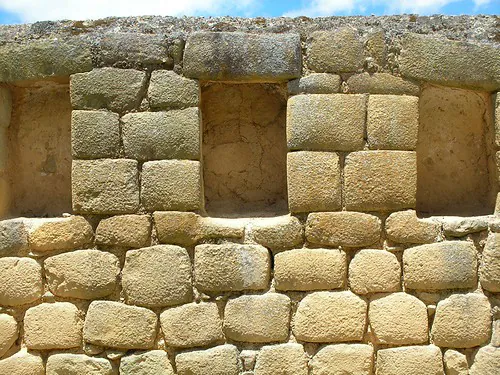
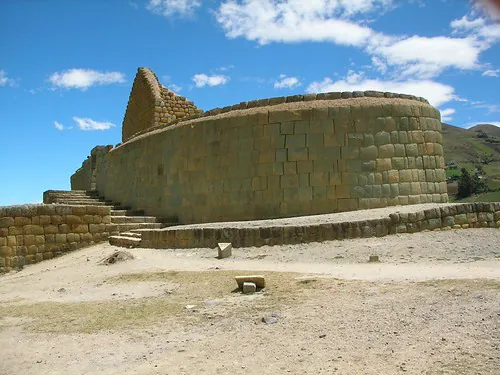
When packing for the ruins, planning your visit requires specific gear for the drastic paramo temperature swings. Early morning temperatures frequently hover around 46°F (8°C), peaking at a sun-intense 64°F (18°C) by midday, and plummeting rapidly during the torrential afternoon downpours. Consequently, the mortarless green andesite stones of the Temple of the Sun and the original Inca Trail (Ingañan) become highly slick. Heavy-traction, closed-toe footwear is required to prevent serious falls on these ancient surfaces.
Should an emergency occur, travelers must understand the limitations of local infrastructure. Emergency medical services in the immediate parish are scarce. Refer to the table below for the realities of medical evacuation from the main archaeological complex.
| Medical Facility | Location | Distance / Time | Capability Level |
|---|---|---|---|
| Local Parish Clinic | Ingapirca Town | 5 minutes | Basic First Aid / Triage |
| Hospital Básico Luis F. Martínez | Cañar | 30 minutes | Patient Stabilization |
| Hospital Vicente Corral Moscoso | Cuenca | 2 hours | Severe Trauma / Advanced Care |
For more information on the regional capabilities, consult the Ecuador Ministry of Public Health. Given these transfer times, carrying a comprehensive personal first-aid kit is strongly advised.
Safe Transit & Solo Travel Precautions
Independent travelers frequently utilize the public bus system to reach the highlands. The direct route via Transportes Cañar from Cuenca costs roughly $3.50 and takes 2.5 hours. However, this specific route experiences persistent “bag-slashing” and opportunistic pickpocketing. Never place your bags in the overhead racks or under your seat. Your primary backpack containing your passport, cash, and electronics must remain securely on your lap, with your arms looped through the straps, for the entire duration of the journey.
For those looking to bypass the stress of public transit entirely, securing a specialized excursion is highly recommended. You can easily book a comprehensive cultural tour of the ruins and surrounding artisan villages, which includes secure, private transportation directly from your hotel in Cuenca. Alternatively, travelers short on time often prefer an efficient small-group day tour focused solely on the Inca mountain face and the main complex, ensuring a tightly managed schedule with a verified local guide.
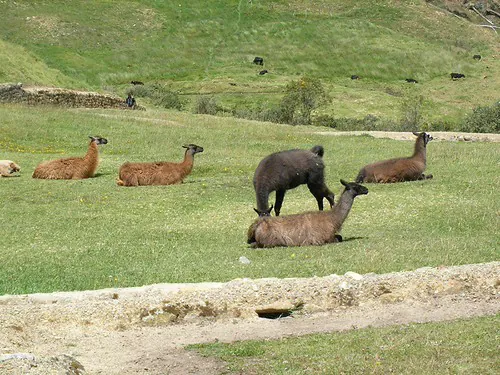
Solo hikers exploring the nearby attractions and rural trails outside the main archaeological zones face an additional hazard: free-roaming dogs. While urban strays in Ecuador are generally docile, rural farm dogs in the Cañar province are highly territorial and aggressively defend agricultural borders.
“Never run from a territorial farm dog on the Andean trails. Stand your ground, avoid direct eye contact, and carry a sturdy walking stick to create a physical barrier between yourself and the animal.”
Local Cañar Hiking Guide
To safely navigate the rural trails, adhere to the following protocols:
- Always carry a collapsible trekking pole or a solid wooden walking stick.
- Do not attempt to pet or feed dogs outside of the main town centers.
- If approached aggressively, back away slowly without turning your back.
- Stay strictly on the marked paths to avoid encroaching on private agricultural land.
Essential Traveler Advice
Securing your logistics well in advance removes unnecessary friction from your itinerary. While large groups are restricted to manage daily capacity and ensure conservation and environmental stability, walk-up ticketing is fully available for individuals and families. Independent visitors can purchase their $2 entry tickets directly at the site’s ticket office without a prior appointment. However, large groups are required to book their entry online via the official Instituto Nacional de Patrimonio Cultural (INPC) portal in advance. Arriving as a large group without a digital reservation frequently results in being turned away at the gates.
Overnight visitors must prepare for the reality of high-altitude accommodations. Historic lodgings in the region, such as the 200-year-old Posada Ingapirca located just 300 meters from the ruins, do not possess central heating infrastructure. Nighttime temperatures drop into the mid-40s (°F). These facilities rely on wood-burning fireplaces and electric space heaters. Ensure you understand how to safely operate these heat sources before going to sleep, and pack thermal base layers.
Food safety is the final pillar of a secure trip. Experiencing local gastronomy is essential, but street food poses high risks for foreign stomachs. For a secure introduction to traditional Andean cuisine, dine at established venues like the Restaurante Posada Ingapirca. They serve hygienic regional dishes using fresh, organic ingredients sourced directly from their hacienda gardens, drastically minimizing the risk of traveler’s diarrhea while still delivering authentic regional flavors.
Ready to secure your visit to the most significant archaeological complex in Ecuador? Review the latest entry requirements, verify operating hours, and finalize your itinerary through our dedicated booking resource.