How to Avoid Altitude Sickness in the Andes
Introduction to Altitude Changes in Ecuador
Traveling through Ecuador demands a rapid physical adjustment that few other destinations require. Visitors frequently land at sea-level airports in the coastal plains, specifically Guayaquil, and drive directly into the Andean highlands within a matter of hours. This sharp, vertical ascent forces the human body to adapt to significantly lower atmospheric pressure in a compressed timeframe. Understanding the physiological shift is critical for anyone planning to explore the Cañar province, as failing to respect the elevation can derail even the most carefully organized itinerary. The transition from the dense, humid air of the coast to the thin, dry atmosphere of the mountains initiates a series of biological stress responses that manifest as Acute Mountain Sickness (AMS).
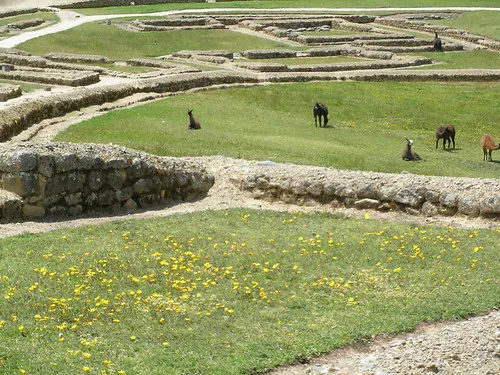
The primary attraction in this region, the Ingapirca archaeological site, sits at an elevation of 3,160 meters (10,367 feet). While this altitude is manageable for adequately prepared travelers, it is high enough to trigger hypoxia in individuals who ascend too quickly. Preparing your body for this environment begins long before you purchase Tickets & Tours. It requires a strategic approach to your ascent timeline, a precise hydration protocol, and a basic understanding of how high-altitude physiology affects the respiratory and cardiovascular systems. The Centers for Disease Control and Prevention (CDC) classifies any travel above 8,000 feet as high altitude, placing the ruins well within the zone where physiological symptoms commonly occur.
Most travelers utilize the city of Cuenca as their base of operations. At 2,560 meters (8,400 feet), Cuenca offers a more forgiving environment for the initial stages of acclimatization. Securing a Private Tour from Cuenca to Ingapirca Ruins with Lunch allows visitors to acclimate in the city for a few days before comfortably completing the remaining 600-meter elevation gain to the archaeological complex in a controlled, guided vehicle.
Elevation vs. Effective Oxygen Availability in Ecuador
A common misconception regarding high-altitude travel is that there is less oxygen in the air. This is biologically inaccurate. Whether you are standing on the beaches of Guayaquil or navigating the stone pathways of the ruins, the air consistently contains exactly 20.9% oxygen. The physiological challenge stems entirely from barometric pressure. This phenomenon is known as a hypobaric hypoxia reality check. As you increase in elevation, the atmospheric pressure pushing down on you decreases, meaning the oxygen molecules spread further apart. Consequently, the effective oxygen availability that your lungs can process and force into your bloodstream drops significantly.
At the elevation of the archaeological complex, your respiratory system must work harder to extract the necessary oxygen to fuel your muscles and brain. For travelers monitoring their vitals with smartwatches or specialized medical equipment, it is important to understand pulse oximeter baselines at these heights. At sea level, a healthy blood oxygen saturation (SpO2) reading is typically between 95% and 100%. However, if you track your SpO2 at 10,000 feet, do not panic if the number drops. A healthy, acclimatizing visitor will typically register between 85% and 92%. The table below illustrates the relationship between altitude and the oxygen your body can actually utilize.
| Location | Elevation (Meters / Feet) | Atmospheric Oxygen Concentration | Effective Oxygen Availability |
|---|---|---|---|
| Guayaquil (Coast) | 0 m / 0 ft | 20.9% | 20.9% |
| Cuenca (Basecamp) | 2,560 m / 8,400 ft | 20.9% | ~15.3% |
| Quito (Capital) | 2,850 m / 9,350 ft | 20.9% | ~14.7% |
| Ingapirca Ruins | 3,160 m / 10,367 ft | 20.9% | ~14.2% |
Hypobaric Hypoxia & The Threat of Acute Mountain Sickness (AMS)
Acute Mountain Sickness (AMS) generally presents within the first 12 to 24 hours of arriving at altitude. The primary warning signs include a dull, throbbing headache, dizziness, nausea, and noticeable shortness of breath during minor physical exertion. These symptoms are exacerbated by what experts call the “Double Dehydration” effect. The dry Andean air combined with an increased respiratory rate means visitors lose water vapor from their lungs twice as fast as they would at sea level. This rapid, invisible fluid loss makes proactive hydration the most critical defense against AMS.
To combat this, the Institute for Altitude Medicine recommends consuming an additional 1 to 1.5 liters of water daily when traveling at high altitudes. Visitors exploring the ruins should aim for a total baseline of 3 to 4 liters per day. The method of consumption matters just as much as the volume. Utilizing small sips every 15 minutes is vastly more effective for cellular hydration than chugging large amounts of water infrequently, which simply prompts the body to expel the excess liquid immediately.
For individuals with a history of altitude sickness, pharmacological prevention offers a reliable safeguard. The standard medical protocol utilizes Diamox (Acetazolamide). The recommended dosage is 125 mg to 250 mg taken every 12 hours. Crucially, this medication must be started 24 to 48 hours before ascending from a sea-level city like Guayaquil, and continued for 2 to 4 days after arriving in the Andes to allow the kidneys to excrete bicarbonate, which stimulates deeper breathing.
Another highly effective, over-the-counter remedy widely used in the Andes is the “Sorojchi Pill.” A single capsule contains a highly specific blend engineered for altitude: 325 mg of Acetylsalicylic Acid (Aspirin) to alleviate headaches, 160 mg of Acetaminosalol (Salophen) for systemic pain relief, and 15 mg of caffeine to counteract altitude-induced fatigue. Visitors should avoid buying medications at unregulated mom-and-pop shops. Instead, purchase generic Acetazolamide or Sorojchi pills at trusted, official Ecuadorian pharmacy chains like Farmacias Fybeca or Farmacias Cruz Azul, where a blister pack often costs under $5 USD.
The “Climb High, Sleep Low” Advantage
A day trip to Ingapirca aligns perfectly with mountaineering acclimatization rules. By visiting the ruins at 3,160 meters during the day and returning to sleep in Cuenca at 2,560 meters (8,400 feet), you naturally protect your body from nocturnal hypoxemia.
Nocturnal hypoxemia occurs when blood oxygen levels plummet during sleep at high elevations. Because respiration naturally slows down when you are unconscious, sleeping at elevations above 3,000 meters frequently leads to interrupted sleep architecture, sudden gasping awakenings, and severe morning headaches. By employing the “Climb High, Sleep Low” strategy, travelers can safely push their physiological limits during daylight hours while allowing their bodies to recover in a more oxygen-rich environment at night. For independent travelers looking to maximize this strategy, booking a Ingapirca Ruins & Inca mountain face tour from Cuenca with Small Group ensures you are safely transported back to lower elevations before the temperature drops and altitude fatigue sets in.
Itinerary Planning for Natural Acclimatization (Guayaquil to Highlands)
Proper itinerary planning is the most effective, non-medical intervention available to travelers. Assessing the Guayaquil to Highlands ascent requires an understanding of your body’s need for a strategic acclimatization buffer. Rushing directly from the coast to the ruins is a reliable way to ruin your trip. Instead, Cuenca serves as the ideal acclimatization base camp. Spending 48 to 72 hours exploring Cuenca allows the body to increase its red blood cell count naturally before tackling the final 600-meter elevation gain to the archaeological site. During this 48-hour window, visitors should strictly avoid alcohol and excessive caffeine (excluding mild local teas), as both are aggressive diuretics that accelerate high-altitude dehydration and mask the early warning signs of AMS.
Diet also plays a surprisingly critical role in altitude adaptation. The “Carbohydrate Hack” is a scientifically backed method to reduce symptoms. Consuming 200 to 300 grams of complex carbohydrates daily at high altitude requires 8% to 10% less oxygen to metabolize than fats and proteins. This dietary shift can effectively reduce the physiological symptoms of altitude sickness by the equivalent of 1,000 to 2,000 feet of elevation. Travelers should familiarize themselves with A Guide to Traditional Andean Cuisine to locate carb-heavy, locally sourced dishes like locro de papa (potato stew) or mote pillo (hominy and eggs) to fuel their ascent.
Another local dietary staple is the Mate de Coca (Coca Tea) tradition. Indigenous to the Andes, this tea is a mild, natural stimulant used for centuries by the Cañari and Inca populations to combat soroche (the local term for altitude sickness). It is legally and safely served at local markets and upscale lodgings. For instance, the historic Hotel Santa Lucia in Cuenca provides it to help guests acclimatize during breakfast. It dilates the blood vessels slightly, improving circulation and oxygen delivery without causing a massive diuretic effect.
Once you actually arrive at the site, your physical behavior must change. When exploring the uneven, mortarless stone paths detailed in The Temple of the Sun & Landmarks, you must implement micro-rests. Taking a 1 to 2-minute pause every 15 to 20 minutes of walking prevents heart rate spikes and mitigates the rapid onset of AMS. Pacing is critical here. The air is thin, and the stone steps constructed by the Inca engineers are steep. Move deliberately, take photographs during your micro-rests, and maintain your hydration schedule. If you decide to bundle your visit with regional highlights, opting for a Cultural Tour Ingapirca Ruins + Gualaceo & Chordeleg from Cuenca breaks up the physical exertion of walking the ruins with seated transit to lower-elevation artisan villages.
Ascent Route Map: Guayaquil to Cuenca and Ingapirca
Visualizing the route from the coast to the highlands helps clarify the sheer vertical scale of the journey. The drive from Guayaquil through the Cajas National Park requires vehicles to traverse mountain passes exceeding 4,000 meters before descending significantly into Cuenca. Review How to Get to Ingapirca Ruins for specific details on navigating these high-altitude roads safely, as well as Planning Your Visit for advice on packing the appropriate layers for the fluctuating temperatures.
Ultimately, the risk of altitude sickness can be significantly reduced with proper pacing, hydration, and respect for the environment. By utilizing the 48-hour buffer in Cuenca, adjusting your macronutrient intake, and utilizing local resources like coca tea or over-the-counter remedies from reputable pharmacies, you can explore Ecuador’s most significant archaeological complex with minimal physiological distress. Taking the time to acclimatize ensures your focus remains firmly on the precision of the Inca stonework and the deep history of the Cañari people, rather than a throbbing headache.